Built to run inside your license
A vending machine doesn’t change who is responsible for a sale. You are, the same as at the bar. So DrinkDock is designed to keep your staff in control of every sale it makes.
Review status
The PLCB hasn’t issued an opinion on DrinkDock. For each pilot venue, we’ll request a written advisory opinion describing that venue’s exact setup. An opinion applies only to the facts it describes, so it covers that venue’s setup, not DrinkDock in general. We don’t install without a clear answer, and we share the response with you. How the request works.
Every sale is your sale
The machine sells your inventory, bought from your distributor, at your prices, under your license. DrinkDock provides the equipment and software. We never hold, buy or resell alcohol.
Checking the ID and the person holding it
Pennsylvania lists the IDs a licensee may accept in 47 P.S. §4-495. Every alcohol sale takes two checks before payment opens:
- The ID. The scanner reads and validates the barcode on the back of a U.S. driver’s license or state ID card. Expired, damaged, invalid and under-21 IDs are declined.
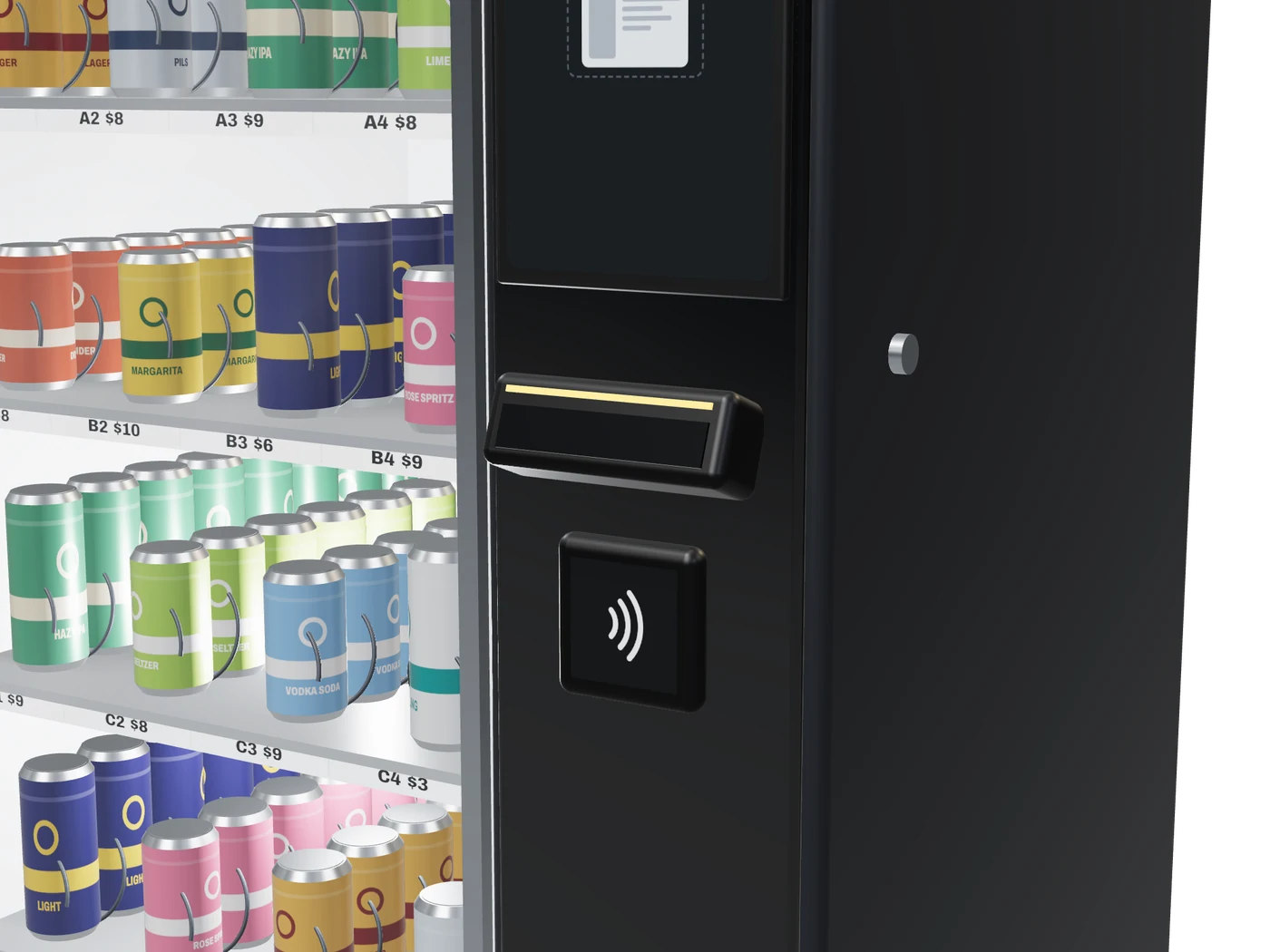
- The person. The guest then holds the front of the ID to the scanner, which images the photo, and a camera above the screen compares the guest’s face with it. It’s a one-to-one check done on the machine. A match lets the sale continue, anything unclear sends the guest to the bar, and neither image is stored.
Passports and military IDs, which don’t carry the barcode, go to your staff. The law gives licensees a good-faith defense when an ID is checked with a transaction scan device (§4-495(g)), and the machine keeps a timestamped record of each check. No scanner or camera catches every fake, which is one reason the machine stays within sight of your staff.
Minors and visibly intoxicated guests
Under §4-493(1), a licensee may not sell or permit sales to minors or to visibly intoxicated people. An ID check can’t judge intoxication, so the machine is built around your staff’s judgment:
- It installs within sight of the bar, where your bartenders can see who is using it.
- Each scan allows at most two drinks. The same ID then waits 20 minutes unless a staff member resets it. The limit can’t be turned off.
- To stop one guest, staff find that guest’s sale in Manager’s recent list, which shows the time, the drinks and the machine, and tap Block. That ID can’t buy from any machine at your venue until close.
- Staff can pause all sales from Manager or with the key switch on the cabinet.
How the machine recognizes a returning ID
The two-drink limit, the 20-minute wait and staff blocks all need the machine to know when it has seen an ID before. It turns the ID number into a one-way code, which can’t be turned back into the number. The code is kept until the venue closes, then deleted. It’s shared between machines at the same venue and never across venues.
Hours
Sales stop at your licensed hours and follow your Sunday permit, or an earlier last sale you set. The screen tells guests when sales end for the night.
Your staff and RAMP
Your RAMP-certified staff remain responsible for service on the floor. Every install includes a 20-minute walkthrough on pausing, blocking an ID, resetting a wait and restocking.
Scan data
We don’t sell or share ID scan data, which §4-495(h) prohibits anyway. The machine keeps only what your records and the limits need: the result of the check, the time, the ID’s expiration date and the one-way code until close. No ID photos, no face images and no marketing profiles.
Related setups in Philadelphia
Self-service alcohol with per-guest limits already runs in Philadelphia: a self-pour beer bar checks ID up front and caps each guest’s pours until staff reset them (Inquirer, 2023). That’s a different setup from a vending machine, and it doesn’t settle how the PLCB would view DrinkDock. That’s why we ask for an opinion for each venue.
Questions about your license?
Tell us your license type and we’ll walk through it on a call.